
From agricultural produce wholesaler to food manufacturer
- Wholesale
- Production
- Spices
- Quality
From wholesale trade
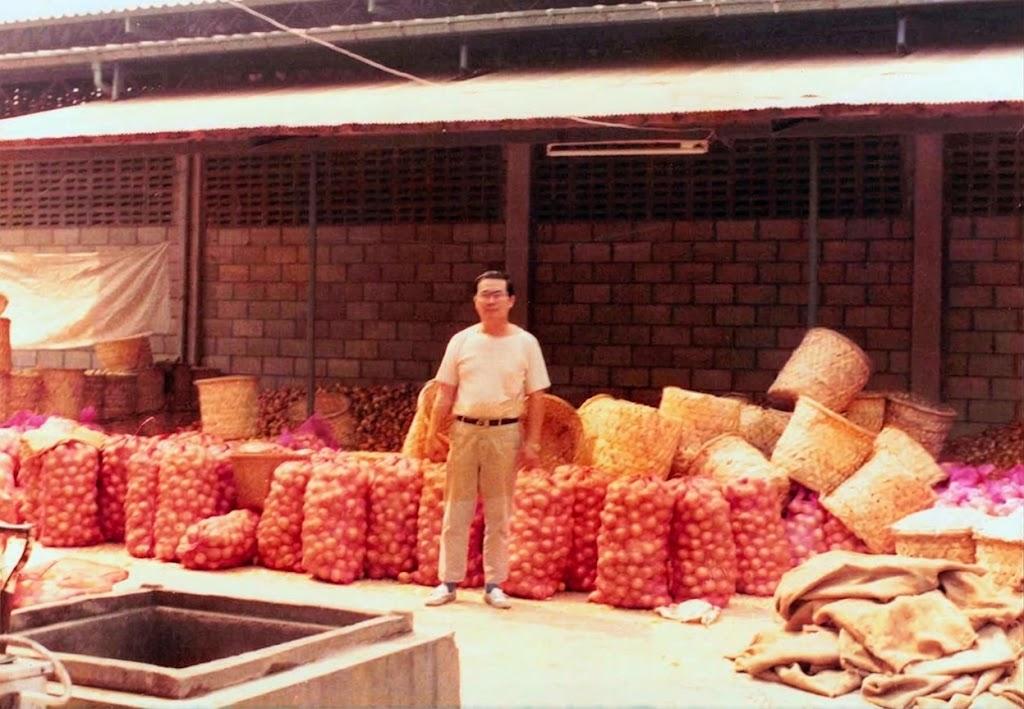
Before developing into spice and dehydrated ingredient manufacturing, Iem Kasikit’s foundation was a wholesale business in agricultural ingredients at Pak Khlong Talat market in Bangkok, especially onions, potatoes and carrots. The work covered contacting the sources of produce, checking the quality of the harvest at source, and bringing it to sale. This wholesale experience helped build an understanding of ingredients and of what the market needs.
On the road to manufacturing
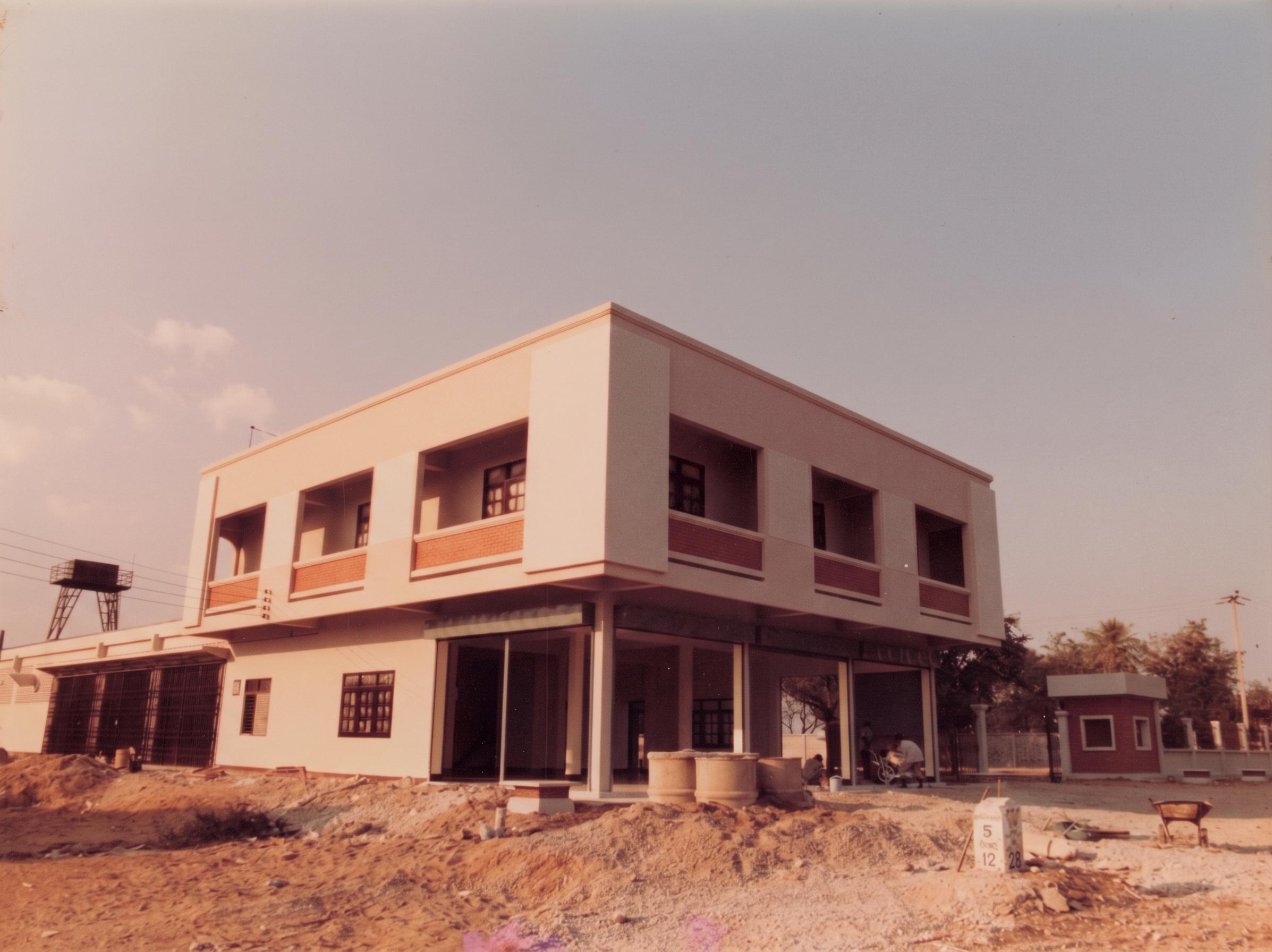
Visiting Chiang Mai often, the founder saw how abundant its produce was, and so moved to settle anew in San Pa Tong District, Chiang Mai, where the first factory was founded. Iem Kasikit began processing by drying longan. However, longan drying depended on the season, which at that time allowed only one month a year, so the dryers stood idle for the rest of the year. Iem Kasikit therefore had to look for opportunities to process other agricultural produce instead.
Shifting to spice production
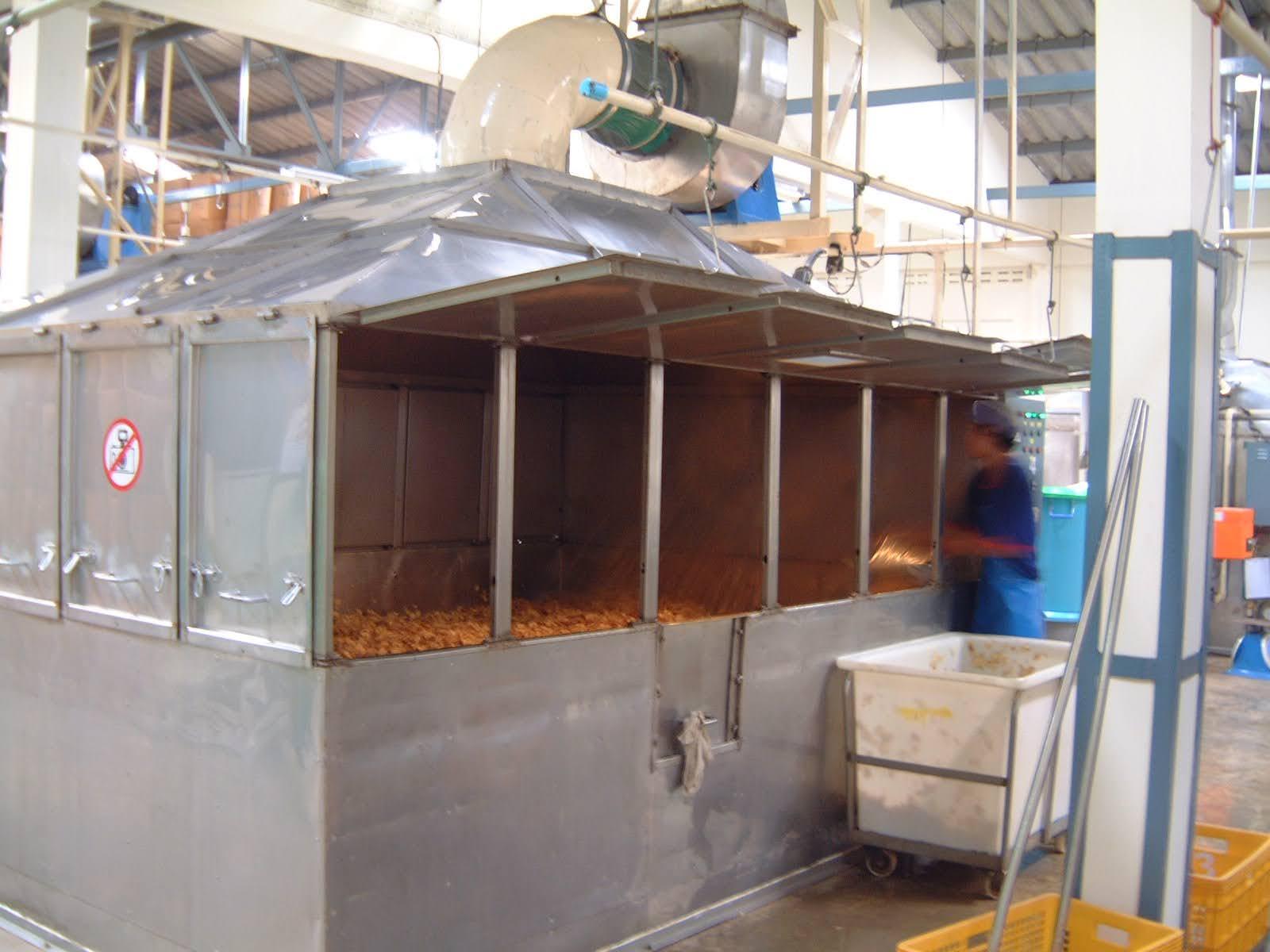
At the urging of the founder’s younger brother, Iem Kasikit began experimenting with drying and selling plants, herbs and spices from Chiang Mai, such as chilli, garlic, lemongrass, galangal and Kaffir lime leaf. The business shifted to producing ingredients for the food industry, continually developing product formats and characteristics to suit customers’ applications, in both dehydrated spices and spice powders.
Committed to international standards
As customers began to look for more quality in production, Iem Kasikit could not stand still. It has continually developed its production processes, hygiene systems and food safety systems in line with international standards, with quality checks from raw material selection, through production, to finished products, to meet customers’ requirements and uses in the food industry.